In social psychology, the i and the me stand as central ideas from George Herbert Mead’s work. These terms describe parts of the self that shape identity through interactions with others. Mead, a thinker from the early 20th century, saw the self not as something fixed inside a person, but as something that grows from social experiences. The me represents the part influenced by society, while the i andacts as the spontaneous response to those influences. This concept helps explain why people behave differently in groups compared to alone. It shows that identity forms through conversations, roles, and shared norms. Many scholars still use these ideas today to study how individuals fit into communities. This post looks at the details of Mead’s theory, its origins, and its uses in everyday life.
George Herbert Mead lived from 1863 to 1931 and worked as a philosopher and sociologist in America. He taught at the University of Chicago and helped start the school of thought known as symbolic interactionism. Mead focused on how people create meaning through symbols like language and gestures. His ideas came from observing everyday talks and behaviors. He believed that mind and self come from social processes, not just biology. Mead wrote little during his life, but students put together his lectures into books after he passed away. One key book, Mind, Self, and Society, lays out his thoughts on the self. Mead drew from pragmatism, a philosophy that stresses practical results over abstract ideas. His work links psychology with sociology, showing how personal growth ties to group life. Today, his concepts influence fields like education and therapy. Mead’s approach remains fresh because it treats the self as flexible and shaped by context. This makes it useful for understanding modern issues like online identities.
Origins of the I and the Me Concept
Mead developed the i and the me in the 1920s and 1930s as part of his broader theory on social behavior. He saw the self as a product of society, not something innate. This idea challenged older views that treated the mind as separate from the world. Mead based his thoughts on observations of children playing and adults talking. He noticed that people adjust actions based on what others expect. The concept first appeared in his lectures, later published in 1934. It fits into symbolic interactionism, which says meaning arises from interactions. Mead influenced and got influenced by thinkers like John Dewey, who emphasized experience. The historical setting included rapid changes in America, with cities growing and new technologies appearing. People faced shifts in roles, making self-identity a big topic. Mead’s work responded to these changes by explaining how individuals adapt. His ideas spread through students like Herbert Blumer, who named symbolic interactionism. Over time, the concept reached psychology and even philosophy. It offers a way to see the self as both personal and social, bridging individual freedom with group pressures.
Defining the Me
The me refers to the organized set of attitudes from others that a person takes on. It acts like a mirror of society inside the individual. This part includes learned roles, norms, and expectations from family, friends, and culture. For example, someone might act polite because society values it. The me controls impulses to fit in with the group. Mead compared it to a disciplinarian that keeps behavior in line. Without the me, actions would lack structure and lead to chaos. It forms through repeated interactions, starting in childhood. As people hear feedback, they build this social self. The me provides stability, helping predict how others react. Yet, it can limit creativity if too strong. In balance, it supports healthy relationships. Mead said the me represents the community within the person. It shapes identity by incorporating views from significant others. This concept explains why people change behavior in different settings. Overall, the me stands as the foundation for social harmony and personal consistency.
How the Me Forms
The me builds over time through social contacts. It starts when children imitate adults around them. As they grow, they take in attitudes from parents and teachers. Language plays a big role, allowing people to see themselves as others do. Mead called this taking the role of the other. With practice, individuals create a generalized other, which means society’s overall view. This process makes the me more complex. In groups, feedback refines it further. For instance, praise or criticism adjusts how someone sees their place. The me also includes cultural values like honesty or hard work. It acts as a guide for decisions. If conflicts arise, the me helps resolve them by weighing social norms. Over life, it evolves with new experiences. Moving to a new place might shift the me to include fresh attitudes. This flexibility keeps the self relevant. Mead stressed that the me comes from outside, not inside. It shows humans as social beings first. Understanding this formation aids in grasping identity changes.
Defining the I
The i stands for the spontaneous, active part of the self. It responds to the me in unpredictable ways. This element brings novelty and initiative to behavior. Mead described it as the reaction to social attitudes. Unlike the me, the i does not follow strict rules. It appears in moments of choice, like deciding to speak up in a meeting. The i enters awareness only after an action happens. This makes it hard to predict. It represents freedom within social limits. Without the i, life would seem mechanical. It allows for change and growth. Mead saw the i as essential for progress in society. It challenges old norms and creates new ones. In daily life, the i shows in creative acts or quick decisions. It balances the me by adding personal flair. Too much i might lead to isolation, but in harmony, it enriches interactions. The i reflects the unique side of each person. It pushes against conformity while staying connected to the group.
Role of the I in Action
The i drives actions that break from routine. It reacts to situations shaped by the me. For example, in a debate, the me recalls group rules, but the i chooses words on the spot. This response often surprises even the person acting. Mead noted that the i gives a sense of initiative. It turns social processes into personal experiences. In teams, the i contributes fresh ideas. It helps solve problems by thinking outside norms. The i also handles uncertainty, like in emergencies. Here, quick responses come from this part. Over time, past i actions become part of the me through memory. This cycle keeps the self evolving. The i ensures behavior stays alive and adaptive. Without it, people would repeat patterns endlessly. It fosters innovation in fields like art or science. In relationships, the i adds authenticity. It balances structure with spontaneity. Mead viewed this role as key to human freedom. Understanding the i helps explain why change occurs in societies.
Interaction Between the I and the Me
The i and the me work together to form the complete self. The me sets the stage with social attitudes, while the i responds creatively. This dialogue happens in every thought and action. For instance, planning a day involves the me considering duties, but the i decides on breaks. Mead called this a social process inside the person. The interaction creates personality. When balanced, it leads to effective behavior. If the me dominates, conformity results. A strong i brings originality but risks conflict. The pair allows reflection, like reviewing past choices. This builds self-awareness. In groups, the interaction helps coordinate with others. People adjust based on feedback, refining both parts. Mead said the self emerges from this back-and-forth. It makes humans adaptable. Over life, experiences strengthen the bond. Challenges test the balance, leading to growth. This concept shows the self as dynamic, not static. It explains shifts in identity during major events. Grasping this interaction reveals much about human nature.
Stages of Self-Development
Mead outlined three stages where the self grows through social play. These steps show how children move from simple imitation to complex understanding. The process relies on interactions with others. It begins early and continues into adulthood. Each stage builds on the last, adding layers to the i and the me. Language and gestures aid progress. Without social contact, development stalls. Mead used examples from games to illustrate. These stages explain why isolation harms identity. They also highlight the importance of play in learning roles. Teachers and parents support this growth. The stages connect personal self to broader society. They make Mead’s theory practical for child studies. Overall, they demonstrate the social roots of mind.
Preparatory Stage
In the preparatory stage, young children copy actions without grasping meanings. They mimic sounds or movements from adults. This happens around ages zero to three. No real role-taking occurs yet. Kids focus on their own world, ignoring others’ views. Imitation builds basic skills like talking. The self remains basic, with little me formed. Interactions stay simple, like playing with toys alone. Mead saw this as preparation for later steps. Children learn symbols through repetition. Parents model behaviors that kids repeat. This stage sets the base for social awareness. Without it, later stages suffer. It shows humans start as blank slates socially. As kids grow, they shift to more involved play. This transition marks readiness for deeper connections. The preparatory phase stresses early exposure to people. It explains delays in some cases. Understanding this helps in early education.
Play Stage
The play stage involves children pretending roles, like doctor or parent. This occurs around ages three to five. They take on one role at a time, practicing perspectives. This builds the me by internalizing attitudes. Kids talk to themselves, acting out scenarios. It develops imagination and empathy. Mead noted that play teaches control over actions. Children see how others might feel. No full group awareness yet, but steps toward it. Toys and props aid the process. Parents encourage this for growth. The i andstarts showing in creative twists on roles. This stage bridges simple copy to complex games. It fosters language use in context. Isolation here limits skills. The play phase reveals social learning as fun. It prepares for team activities. Grasping this stage aids in child psychology.
Game Stage
In the game stage, children grasp multiple roles at once, like in baseball. This starts around age six. They understand the generalized other, society’s view. The me strengthens with group norms. Kids consider how actions affect everyone. This builds self-control and cooperation. Mead used organized games as examples. Participants follow rules while responding uniquely. The i and handles surprises in play. This stage completes basic self-formation. School and sports support it. Awareness of others’ expectations grows. The process continues lifelong in new groups. It explains social skills in adults. Delays here impact relationships. The game phase shows the self as team-oriented. It ties personal identity to community.
Influences from Other Thinkers
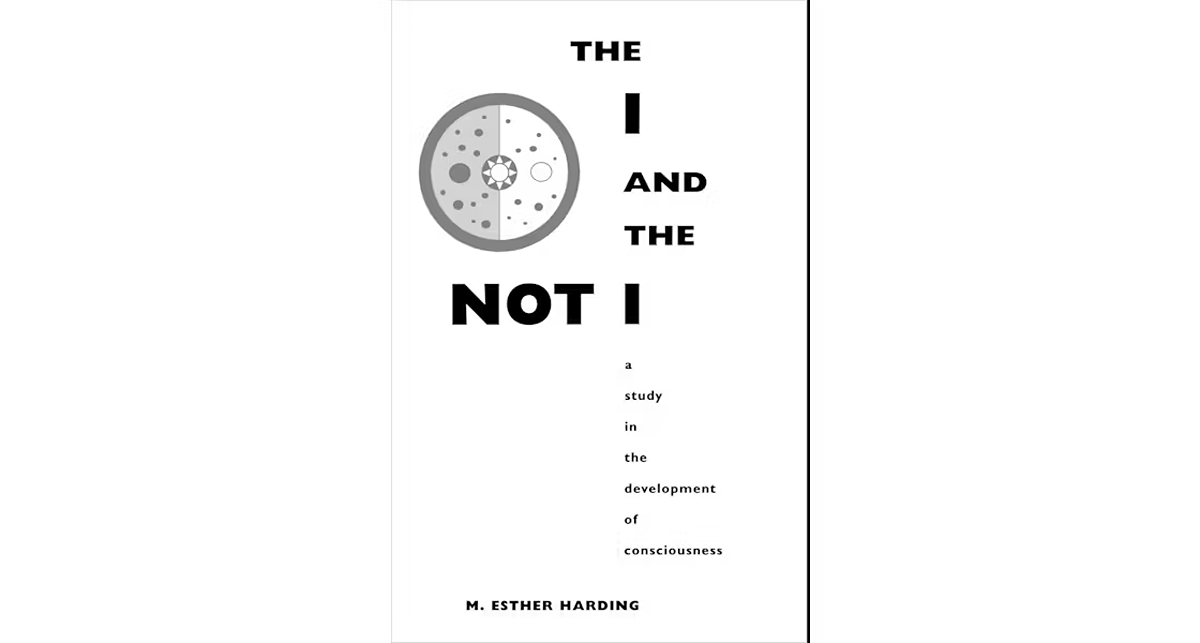
Mead’s ideas link to several key figures in psychology and philosophy. Freud’s ego and censor match the i and me somewhat. Freud saw internal conflicts, while Mead focused on social origins. William James distinguished the self as subject and object, similar to i and me. James emphasized experience, influencing Mead’s pragmatism. Sartre’s choice and situation parallel the pair. These connections enrich Mead’s theory. Jung’s work on consciousness, like in The I and the Not-I, explores ego development. It adds depth to self boundaries. Karen Horney critiqued social aspects, highlighting emotions. These thinkers provide tools to expand Mead. Blumer built on Mead directly, spreading symbolic interactionism. Dewey’s focus on democracy ties to social self. Overall, these influences create a web of ideas. They show Mead’s concept as part of larger discussions. Studying them clarifies nuances.
Applications in Modern Life
Mead’s theory finds use in many areas today. It guides studies on identity in changing worlds. Psychologists apply it to therapy, helping people balance social pressures with personal needs. In education, it informs teaching methods that encourage role-play. Social media shows the i and me in online personas. Users craft profiles based on audience reactions. The concept aids in understanding conflicts, like in workplaces. It explains group dynamics and leadership. Researchers use it for digital age issues, like virtual selves. Narrative psychology draws from it for story-based identities. Relational approaches emphasize interactions. Mead’s ideas remain relevant for current challenges. They offer frameworks for analysis.
In Psychology
Modern psychology uses the i and me for self studies. Therapists help clients see social influences on behavior. This aids in treating anxiety from norms. Identity theory builds on Mead for role conflicts. Narrative approaches let people rewrite stories, balancing the i and me. In development, stages guide assessments. Social psychology tests interactions in labs. The theory explains conformity and rebellion. It links to emotional health, though some say it lacks depth there. Adding Horney’s ideas strengthens it on conflict. Neuroscience supports with brain studies on self-perception. Overall, it provides tools for understanding mental processes. Applications include counseling and research.
In the Digital Age
Online platforms highlight the i and me. Users build profiles as the me, shaped by likes and comments. The i and responds with posts or reactions. Social media creates generalized others from followers. Virtual games follow Mead’s stages, from solo play to team modes. Internet selves evolve fast with feedback. This raises questions on authenticity. Mead’s theory explains multiple online identities. It helps study cyberbullying effects on self. Digital communication uses symbols like emojis. The concept adapts to new tech, like AI interactions. Researchers note shifts in privacy norms. Applications include safer online spaces. It guides policy on digital literacy.
In Education
Teachers use Mead’s ideas to foster social skills. Role-play activities build the me through empathy. Group projects teach the game stage. This promotes cooperation and self-awareness. Curricula include discussions on identity. Educators address digital influences on students. The theory helps with diverse classrooms, understanding cultural mes. It supports inclusive practices. Assessments consider social development. Professional training draws from it for classroom management. Applications extend to lifelong learning. Mead’s stages inform early childhood programs. Overall, it enhances teaching strategies.
Criticisms of the Theory
Some scholars point out limits in Mead’s concept. It gives little attention to emotions in self-formation. Conflict between parts needs more explanation. James and Horney offer ways to add these. Mead seems to overstress social determinism at times. Yet, he allows for i’s freedom. The theory views people less in ongoing relationships. It focuses on process over feelings. Neuroscience suggests biological factors play bigger roles. Applications in diverse cultures show variations. Some say it ignores power dynamics in society. Despite this, modifications keep it useful. Critiques lead to richer versions. They highlight strengths in social focus. Understanding flaws improves the theory.
Conclusion
Mead’s i and me provide a clear view of the self as social and active. The me captures society’s imprint, while the i and adds personal spark. Together, they explain identity growth through stages and interactions. Origins in pragmatism make it practical. Influences from Freud and James enrich it. Modern uses span psychology, digital life, and education. Criticisms on emotions push for updates. This theory offers value by showing how people connect and change. It aids in navigating social worlds with awareness. Readers gain tools for reflection on their own selves. The ideas remain timeless for understanding human bonds.
FAQs
What does the i and represent in Mead’s theory?
The i and stands for the spontaneous response to social situations. It brings initiative and unpredictability to actions.
How does the me differ from the i and?
The me includes organized attitudes from society, providing structure, while the i reacts freely to those attitudes.
Why do stages matter in self-development?
Stages show how children progress from imitation to understanding group norms, building a full self.
Can Mead’s ideas apply to online interactions?
Yes, online profiles reflect the me shaped by feedback, with the i in creative posts.
What criticisms exist for this concept?
Some note it underplays emotions and internal conflicts, suggesting additions from other thinkers.