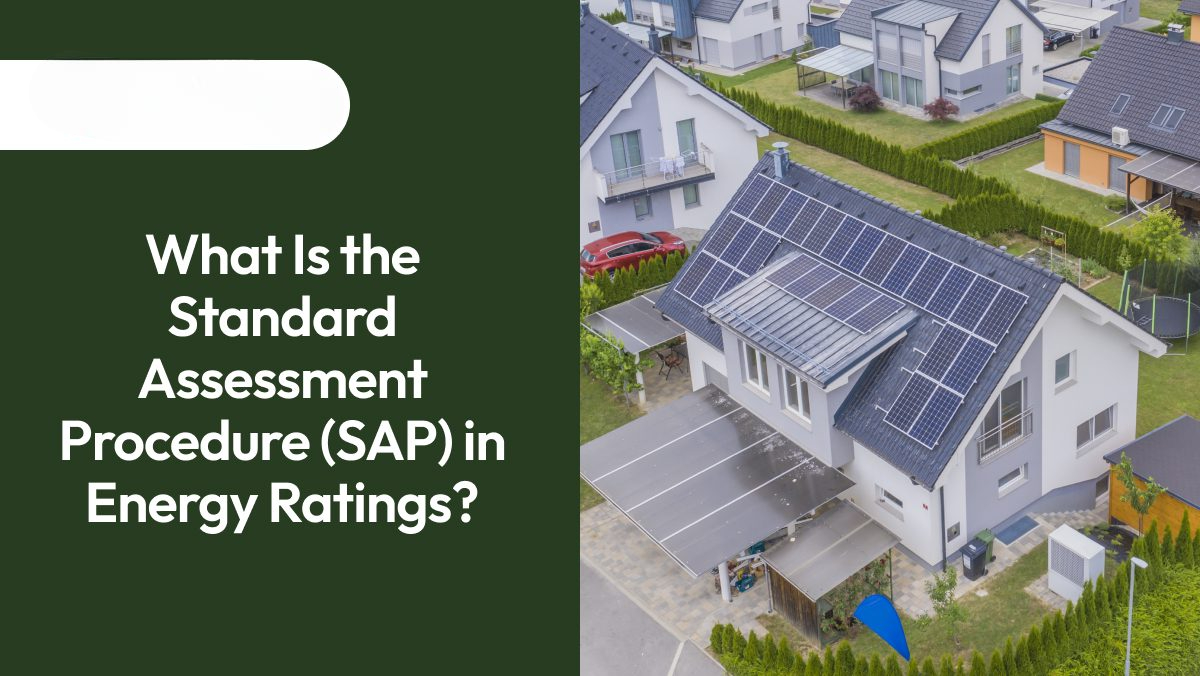
Standard Assessment Procedure, often called SAP, stands as the main way the UK government measures energy use in homes. This method checks how well a house performs in terms of energy efficiency. It gives a score that shows potential costs for heating, lighting, and hot water. People see this score on Energy Performance Certificates, which help when buying or renting a place. SAP focuses on making sure new builds meet rules set by building regulations. For beginners, think of it as a report card for a home’s energy habits. It uses standard assumptions to keep things fair across different properties. This procedure started back in the early 1990s and keeps getting better to match modern needs. Understanding SAP can guide choices about improving a house to save money on bills and cut down on carbon emissions. In simple terms, it turns complex energy details into an easy-to-grasp rating.
History of Standard Assessment Procedure
The roots of Standard Assessment Procedure trace back to 1992, when the UK government wanted a tool to boost energy efficiency in homes. The Building Research Establishment created it based on an earlier model called BREDEM. In 1993, the first version came out, and by 1994, it became part of building rules in England. Over time, changes happened in 1998, 2001, 2005, 2009, 2012, and most recently in 2022. Each update added new features, like accounting for renewable energy sources or better ways to measure carbon output. For instance, the 2005 version included lighting in the calculations for the first time. A simpler version, Reduced Data SAP or RdSAP, arrived in 2005 to handle existing homes without needing full details. This history shows how SAP adapts to new tech and environmental goals. It now supports policies on cutting fuel poverty and moving toward net zero emissions. Knowing this background helps see why SAP matters in today’s building world.
How Standard Assessment Procedure Works
Standard Assessment Procedure calculates energy needs by looking at a home’s design and systems. It assumes standard levels of comfort, like room temperatures, and figures out the energy required to maintain them. The process starts with gathering info on the building, such as wall materials and heating types. Then, it runs numbers to estimate yearly costs for space heating, water heating, and lighting. Carbon emissions get measured too. For new homes, full data goes in, but for older ones, RdSAP uses averages to fill gaps. This keeps assessments quick and affordable. The final output includes a rating from 1 to 100, where higher numbers mean better efficiency. Scores over 100 indicate a home that produces more energy than it uses. No actual tests like air tightness checks occur; instead, it relies on plans and inspections. This method allows fair comparisons between houses. In practice, assessors input data into approved software to get results fast.
Key Factors in Standard Assessment Procedure
Several elements play into Standard Assessment Procedure ratings. First, the building fabric matters a lot—things like insulation in walls, roofs, and floors affect heat loss. Windows and doors count too, with their ability to keep warmth inside. Heating systems form another big part; efficient boilers or heat pumps boost scores. Ventilation comes next, including fans or natural air flow to avoid dampness without wasting energy. Lighting gets considered, favoring low-energy bulbs. Renewable options, such as solar panels, can improve ratings by cutting reliance on grid power. Location stays out of it, using average UK weather for fairness. Occupancy assumes a typical family setup, ignoring real habits. For example, a well-insulated house with modern heating might score high, while an old drafty one ranks low. These factors ensure the procedure highlights ways to make homes greener. Understanding them aids in planning upgrades that align with regulations.
Versions of Standard Assessment Procedure
Standard Assessment Procedure evolves through different versions to stay current. The original from 1993 focused on basic energy costs. By 2001, it added a carbon index to track environmental impact. The 2005 update brought in lighting and renewables like solar water heating. In 2009, monthly calculations allowed for better accuracy on cooling and thermal mass. The 2012 version refined things further with improved data on appliances. Now, SAP 10.2 serves as the latest for new builds, while RdSAP 10 handles existing properties. Each change responds to tech advances and policy shifts. For instance, recent versions emphasize low-carbon heating to support net zero targets. Scotland and Northern Ireland sometimes adopt these at different times. Keeping up with versions ensures compliance during construction or sales. This progression makes SAP a reliable tool over decades.
Importance of Standard Assessment Procedure
Standard Assessment Procedure holds key value in the UK housing sector. It enforces building regulations, ensuring new homes meet energy standards under Part L. This cuts down on waste and lowers bills for residents. EPCs, based on SAP, inform buyers and renters about running costs, influencing property values. Landlords must show these certificates, promoting improvements. On a wider scale, SAP aids government efforts to reduce carbon footprints and tackle climate change. It encourages use of green technologies, like insulation or efficient windows. For developers, passing SAP checks avoids delays in projects. Homeowners benefit by spotting weak spots for upgrades, such as adding solar panels. In short, this procedure drives a shift to sustainable living. Real estate agents often highlight high ratings to attract interest. Overall, it builds trust in the market by standardizing energy info.
Difference Between SAP and RdSAP
Standard Assessment Procedure comes in two forms full SAP and Reduced Data SAP, or RdSAP. Full SAP applies to new builds, using detailed plans on every aspect of construction. It requires exact info on materials, systems, and layout for precise ratings. RdSAP, on the other hand, suits existing homes where full data might prove hard to get. It fills in blanks with assumptions based on age, type, and visible features. This makes assessments faster and cheaper, ideal for quick EPCs during sales. For example, RdSAP might assume standard insulation for a 1950s house unless proven otherwise. While both lead to similar ratings, full SAP offers more accuracy for custom designs. RdSAP started in 2005 to meet EU rules on energy labels. Choosing between them depends on the property stage—new or established. This split keeps the process practical for all situations.
Real-World Examples of Standard Assessment Procedure
Consider a new apartment block in London. Developers run Standard Assessment Procedure early to check if designs pass regulations. They input details on triple-glazed windows and communal heat pumps. The rating comes out at 85, meaning good efficiency and low emissions. Adjustments, like better insulation, push it to 92 for approval. Now, think of an old Victorian terrace up for sale. An assessor uses RdSAP, noting the gas boiler and loft insulation. Assumptions cover wall types from the era. The score lands at 55, suggesting room for improvement. The owner adds draft-proofing, bumping it to 65 on a follow-up EPC. Another case a self-build eco-home with solar panels scores over 100, exporting energy. These examples show SAP in action, guiding builds and sales. They illustrate how ratings affect decisions and values in everyday housing.
Future of Standard Assessment Procedure
Plans exist to replace Standard Assessment Procedure with the Home Energy Model, or HEM. This new system aims for greater accuracy in line with net zero ambitions. It will better handle modern tech like smart heating and batteries. The switch, delayed from initial timelines, starts after the Future Homes Standard in 2026. Until then, SAP 10.3 bridges the gap. Consultations in 2023 gathered input from experts. HEM promises hourly calculations over monthly ones, capturing peak demands. It also factors in real behaviors more closely. For users, this means sharper insights into energy use. Builders prepare for stricter rules on low-carbon designs. The shift reflects growing focus on sustainability. In the meantime, current SAP remains the go-to for compliance and certificates. This evolution keeps the UK ahead in green building practices.
Conclusion
Standard Assessment Procedure serves as a cornerstone for energy efficiency in UK homes. It provides clear ratings that guide regulations, sales, and improvements. From its start in the 1990s to ongoing updates, SAP adapts to environmental demands. Key aspects like insulation, heating, and renewables shape outcomes, helping cut costs and emissions. Differences between full SAP and RdSAP make it flexible for new and old properties. Examples from apartments to terraces show practical impacts. Looking ahead, tools like HEM promise even better accuracy. Readers gain value by using SAP insights to choose efficient homes or plan upgrades. This knowledge empowers smarter choices, leading to lower bills and a greener planet. In essence, grasping SAP unlocks benefits for personal finances and wider sustainability goals