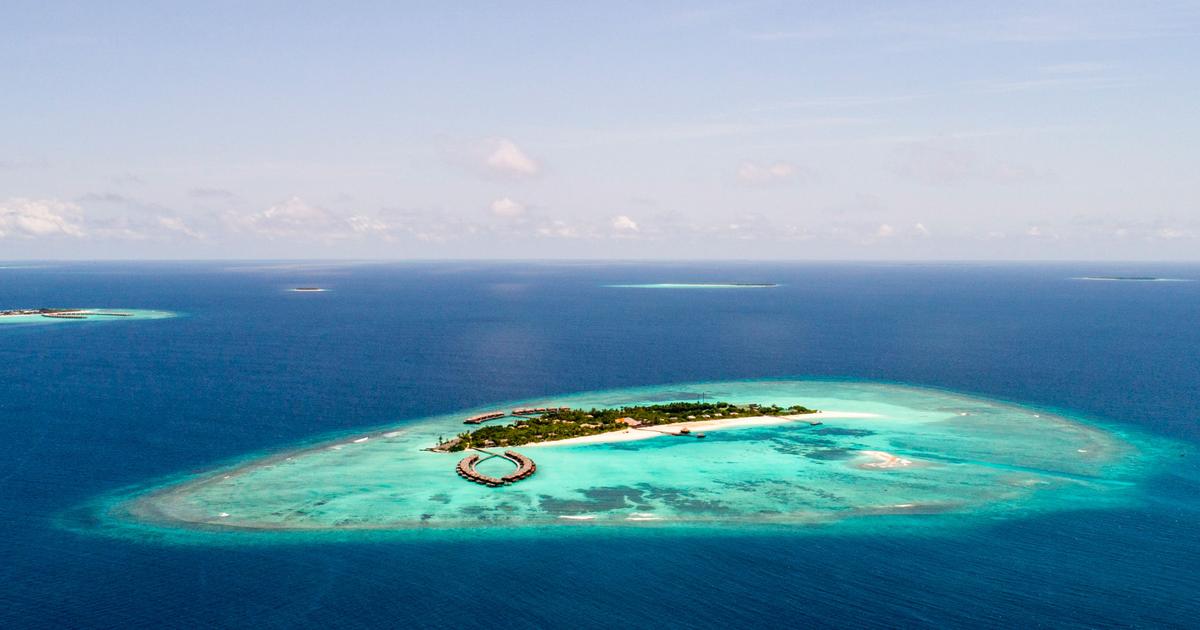
People frequently look for locations where nature is still unspoilt and life is easier. The Lucipara Islands are one such place, which is a secluded group of atolls in Indonesia’s Banda Sea, very distant from the popular tourist areas. These minute landforms are coming up from the deep oceanic floors, and even the waters around them are crystal clear and rich in various aquatic life. Travelers are already starting to share their wonderful experiences of the serene beaches and the coral reefs, where the day-to-day human lives are dictated by the sea. This place attracts people who are into an eco-friendly lifestyle, emphasizing on nature-friendly interactions and preservation. Actually, the trips here are nothing more than a 15-hour-long boat ride from Ambon, but the ride delivers the beauty of the untouched world as a prize. The islands impart us with the wisdom of sustainability, and how just a little bit of care can go a long way towards the preservation of the delicate ecosystems. A lot of the visitors coming back home would be feeling changed and have already adapted a more laidback lifestyle, like making less waste or spending more time outside. In this article, we will discuss the features of the islands, activities that can be done, and methods of incorporating their spirit into everyday life.
Understanding the Lucipara Islands
Location and Geography
The Lucipara Islands are located in the Banda Sea, around 200 km south of Ambon Island, part of the Moluccas. The atoll consists mainly of three bigger islands, which are Pulau Selatan, Pulau Kaurangka, and further nearby ones, Bingkudu and Kadola. The steep drop-offs to over one mile deep result in the formation of staggering underwater landscapes. High tide creates the appearance of white sandy beaches, whereas low tide uncovers extensive sun-warmed reef flats. No one lives there permanently, but people from neighboring areas sometimes come to fish. The remoteness of the area is what has allowed its nature to thrive, thus attracting those who would rather be alone with nature. The geographical features enormously influence the situation—strong currents and the remoteness of the area limit access to certain seasons and monsoon days are avoided. The travelers are compelled to deal with the silent traffic-like weather windows usually lasting for a few months each year. This fact alters people’s habits into one of patience and giving nature the respect it so rightfully deserves.
Historical Background
The Lucipara Islands were first seen by European explorers at the time of the spice trade. The islands were used as transit points by the Portuguese and the Dutch while transporting nutmeg and cloves from the Banda Islands. The islands caused the loss of many ships due to the dangerous reefs and the remnants of those ships are now the attractions for diving activities. Old maps of that era labeled the location with warnings, indicating its significance in navigation routes. The neighboring Maluku tribes told stories about the islands which became part of their folklore, imagining them as places guarded by sea spirits. These stories combine geography and spirit beliefs, thus handing down the knowledge of storms and safe passages. The historical ties still connect the visitors to the ocean, thus reminding them of the human connections across centuries. Such backgrounds affect how people perceive the place and thus promote careful navigation and using of the area as a way to appreciate the past journeys. Tours rarely lack incarnation of these stories which adds more to the experience.
The Ecological Wonders of Lucipara
Marine Biodiversity
Lucipara underwater scenes are a riot of colors and life. Coral reefs flourish in the crystal-clear waters and attract the fish living there such as unicornfish, surgeonfish, and little antheas. The steep walls drop to the blue abysses, which are the home of the larger Napoleon wrasse and red emperors, who patrol there. Manta rays move with the flow of the water, while the shy octopuses and the lobsters are the ones that have the most hermit crabs as their only company hiding under the rocks. The remoteness of the area is the reason there is little fishing pressure, thus allowing for the populations to thrive. The reefs are able to maintain their colorful diversity thanks to the constant flow of nutrients from the upwellings and stable temperatures which are the results of no bleaching. This diversity forms the entire food chain which runs from tiny plankton to big carnivores. For lifestyle enthusiasts, the very act of seeing these systems helps them to be more aware of ocean health. already simple habits like the choice of sustainable seafood back home are a direct result of witnessing such balance. The islands are there to provide a template to the rest of the world on how to protect their marine habitats.
Wildlife and Conservation Efforts
Sea turtles dominate the wildlife highlights at Lucipara, with green turtles nesting on beaches amid coconut roots. Tracks from their efforts dot the sand, though trash sometimes hinders success. Seabirds, including lesser frigatebirds and red-footed boobies, nest in trees, bringing nutrients that boost reef fish numbers. Blue whales pass nearby, feeding on plankton in deeper waters. Sharks, though not always spotted, indicate healthy ecosystems. Conservation pushes for marine protected area status, with local governments designating zones to limit impacts. Fishers from Ambon and Wakatobi follow traditional claims, harvesting coconuts or catching tuna sustainably. Visitors contribute by following no-trace principles, like removing all waste. These efforts inspire eco-conscious routines, such as supporting protected areas through donations or advocacy. The islands demonstrate how conservation sustains natural abundance for future generations.
Cultural Connections to Lucipara
Communities in the vicinity of the Maluku Islands consider Lucipara at their oral traditions. Legends of sea spirits among the fishermen are narrated, thus mixing myth with very practical navigation knowledge. The islands serve as natural signposts in traditional routes, thereby linking the far-off places. The maritime heritage is celebrated in the surrounding communities with dances and shared meals of freshly caught seafood during the festivals. The dishes are spiced with the region’s products and thus, the history of trade is still present. The visitors are exposed to these aspects by means of the guided talks on the liveaboard trips and thus, they are made aware of the local values. To respect nature is the main idea of the culture, which reveals that one should be humble before the ocean’s might. The integration of this mentality involves, listening to the indigenous tales and putting their wisdom into practice, such as, using the natural signs for the timing of the activities. The link thus made is a very rich one as far as personal development is concerned, as it fosters a feeling of gratitude for the diversity of cultures.
The cultural fabric is made up of sustainable practices that are to a great extent responsible for the continuity of life on the islands. In Maluku, communities depend on the sea for survival and at the same time practice the art of preserving the sea. Lucipara function in this system emphasizes the role of the community in taking care of the environment. There is no permanent resident, but people from Mai island who are the families of the dormant residents are still connected through the seasonal gathering of coconuts. This system makes it impossible for the over-exploitation of resources to occur; hence, the resources remain intact. To the modern lifestyles it may imply that they should incorporate seasonal rhythms—like planning meals around local produce or resting during off-times. Some examples include community gatherings where knowledge is passed on freely thereby binding the communities stronger. If similar habits are adopted, it will be the same as if one had the quality of resilience and harmony in one’s daily life.
Embracing the Island Lifestyle at Lucipara
Life at Lucipara revolves around the sea’s pace, even for short stays. Mornings start with dawn light over calm waters, ideal for quiet reflection. Days fill with water-based pursuits, aligning body and mind with natural cycles. Isolation encourages self-reliance, like preparing simple meals from fresh catches. Evenings bring stargazing on beaches, free from light pollution. This setup promotes mindfulness, reducing stress through immersion in surroundings. Back home, people replicate it by scheduling unplugged time or walking in nature. The lifestyle emphasizes minimalism—packing light and valuing experiences over possessions. Practical steps include journaling observations to capture moments of peace.
Sustainability defines the core of island ways here. With no infrastructure, visitors depend on boat supplies, learning to conserve water and energy. Solar panels on vessels power essentials, modeling green tech use. Waste management means taking everything out, preventing pollution. Turtles’ nesting struggles from debris underscore the need for clean habits. In everyday routines, this translates to reusing items or choosing eco-products. Examples from trips show how small groups maintain clean sites, inspiring group efforts in communities. Adopting these principles leads to lighter environmental footprints and greater satisfaction.
Activities and Adventures in Lucipara
Diving and Snorkeling Experiences
Diving at Lucipara reveals thriving underwater worlds. Sites feature strong currents carrying nutrients, attracting pelagic fish and rays. Experienced divers navigate drop-offs, spotting groupers and barracuda. Snorkelers float over shallow reefs, watching parrotfish and trevally schools. Sessions often count dozens of turtles gliding by. Gear checks ensure safety in remote spots—bring reliable masks and fins. Timing with tides maximizes visibility and ease. Post-activity, sharing sightings builds camaraderie among groups. Incorporating similar adventures locally, like lake swims, keeps the spirit alive. Tips include breathing techniques for longer sessions, enhancing relaxation benefits.
Wildlife Watching Opportunities
Watching wildlife at Lucipara offers serene thrills. Seabirds soar overhead, while turtles emerge at dusk for nesting. Boat rides spot whales during migrations, their blows visible from afar. Binoculars help detail distant actions without disturbance. Patience pays off, as animals appear on their terms. Notes on behaviors educate about ecosystems. In home settings, birdwatching in parks mirrors this, fostering observation skills. Advice includes wearing neutral colors to blend in and moving slowly to avoid startling creatures. These practices cultivate appreciation for biodiversity, encouraging protection efforts.Kayaking through lagoons adds another layer. Paddling quietly reveals hidden spots with mangroves and birds calling. Routes around islands take hours, building endurance. Life jackets and hydration packs prove essential. Groups share stories mid-journey, strengthening ties. Translating this to urban areas means river paddles or cycling paths for similar freedom. Preparation involves weather checks and basic navigation skills.
Sustainable Practices Inspired by Lucipara
Conservation starts with awareness at Lucipara. Protected status limits activities, focusing on low-impact tourism. Liveaboards use mooring buoys to avoid anchor damage. Participants learn reef-safe sunscreens to prevent chemical harm. Home applications include switching to natural cleaners. Examples show how banning certain fishing gears boosts stocks. Joining clean-up events replicates island care. These steps create lasting change, benefiting global oceans.Community involvement strengthens sustainability. Nearby fishers follow quotas, ensuring long-term yields. Visitors support by buying local crafts. This model suggests volunteering in habitat restores. Practical tools like apps track personal carbon use. Building networks with like-minded people amplifies impact.Nutrition draws from sea bounty. Fresh fish and coconuts form meals, simple yet nourishing. Recipes emphasize grilling with herbs. Adopting this means more plant-based dishes and seasonal eating. Kitchens benefit from minimal processing, saving time and resources.
Practical Advice for Planning a Trip to Lucipara
Choosing the right season matters most. Calm seas occur between monsoons, typically April to October. Book liveaboards early, as spots fill quickly. Options include vessels like MV Oceanic or Pindito for comfort. Pack essentials: reef shoes, hats, and insect repellent. Health checks cover vaccinations and fitness for water activities. Budget for transfers from Ambon airport. Groups of 10-15 suit best for shared experiences. Upon arrival, acclimate with easy swims.Navigation relies on experienced captains. Charts highlight reefs, but local knowledge prevents mishaps. Communication via satellite phones stays reliable. Emergency kits include first aid and signaling devices. Post-trip, review photos to relive moments. Integrating advice means safer outings anywhere.Accommodations on boats offer bunks and meals. Menus feature Indonesian flavors, accommodating diets. Social hours build friendships. Extending this to life involves hosting gatherings with themes.
How Lucipara Shapes Modern Lifestyles
Visits to Lucipara often spark changes in routines. The calm inspires meditation practices, like daily breathing exercises. Nature immersion suggests garden setups or park visits. Minimalist packing translates to decluttering homes. Energy from activities encourages fitness goals, such as swimming laps. Stories shared foster storytelling hobbies. Overall, the influence promotes balance and joy.Creativity flourishes amid the beauty. Sketching reefs or writing journals captures essence. Home studios mimic this with ocean-themed art. Workshops on crafts parallel cultural sessions. These outlets provide outlets for expression.Resilience builds from facing isolation. Problem-solving on trips, like fixing gear, sharpens skills. Applying it means tackling challenges with calm. Networks from travels offer support systems.
Conclusion
The Lucipara Islands stand as a reminder of nature’s quiet power, offering lessons in sustainability, mindfulness, and connection. From pristine reefs teeming with life to cultural tales of the sea, the spot encourages respectful engagement. Activities like snorkeling and wildlife watching bring joy, while tips on planning ensure smooth journeys. Adopting elements—such as eco-habits or simple routines—enhances daily living. Consider a visit if seeking renewal, or apply ideas locally for similar benefits. Places like this help us live lighter and more attuned to the world. Stay curious and kind to the environment in all pursuits.