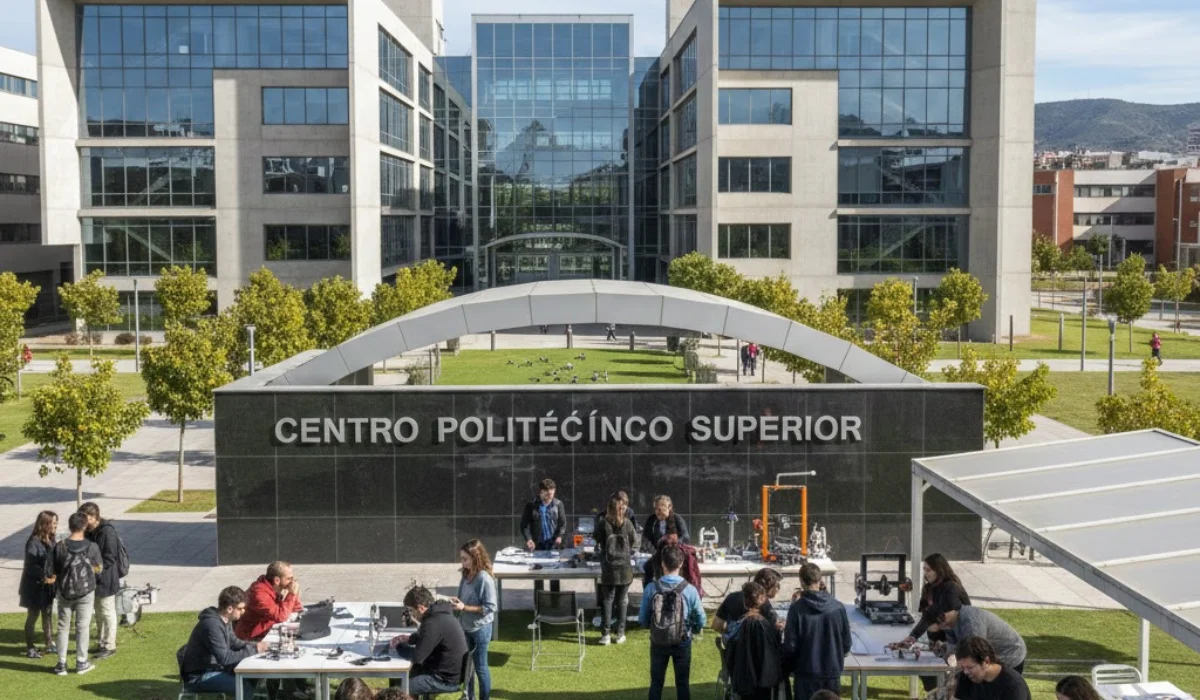
Centro poitecnico superior stands as a key part of engineering and architecture studies in Spain. This institution, linked to the University of Zaragoza, focuses on training people in technical fields. It started as a place for practical skills and grew into a center for advanced learning. Many students come here to gain knowledge in areas like building design and machine creation. The school sits in Zaragoza, a city with rich traditions and modern growth. People often see it as a bridge between old ways and new ideas in education. In this article, we look at its past, what it offers, and why it matters today. Readers new to the topic will find plain facts and simple explanations.
Evolution of Centro Politécnico Superior Engineering Education
The story of centro poitecnico superior begins in the 1800s. In 1894, a royal order set up a school for arts and crafts in Zaragoza. This early spot taught basic trades on the ground floor of a building meant for medicine and sciences. Bruno Solano led it first. By 1972, it turned into a university school for industrial technical engineering under Pedro Benito Sainz. Two years later, in 1974, leaders approved a higher school for industrial engineers, with Federico López Mateos in charge. Classes began on the second floor of a campus building. These steps built a strong base for technical teaching. Over time, the school brought together different engineering types to improve teamwork and use of tools.
Growth and Educational Transformation of Centro Poitecnico Superior
Centro poitecnico superior grew through changes in Spain’s education system. In the late 1900s, Europe saw more need for skilled workers in industry. The school adapted by joining various programs under one roof. This move helped students share ideas across fields like electricity and chemicals. Leaders aimed to make learning more connected and useful for real jobs. By the early 2000s, it became known for mixing theory with hands-on work. Projects and lab time turned into core parts of classes. This approach matched shifts in how countries trained engineers. The institution kept updating to stay relevant in a world of fast tech changes.
Academic Programs at Centro Poitecnico Superior
Centro poitecnico superior provided a range of degrees for beginners and advanced learners. Undergraduate options included studies in industrial engineering, mechanical work, electrical systems, chemical processes, computer setup, telecom links, and civil builds. These paths taught basics in math, physics, and problem-solving. Students spent time in labs and on projects to apply what they learned. The setup encouraged group efforts and real-world tasks. Graduate levels offered master’s and doctoral tracks in topics like renewable power, robot systems, smart materials, and green methods. These higher studies pushed for new ideas and research papers.
The programs at centro poitecnico superior stressed practical skills alongside book knowledge. For example, industrial engineering covered how to design factories and manage resources. Mechanical paths focused on machines and motion. Electrical ones dealt with power and controls. Chemical studies looked at substances and reactions. Computer and telecom areas taught coding and networks. Civil engineering handled structures and planning. Architecture blended art with tech for building designs. Each program lasted several years, with options for special focus. Teachers guided students through courses that built step by step.
Centro poitecnico superior made sure programs fit industry needs. Links with companies led to internships where students tried out skills. This setup helped graduates find work fast. The school also offered double degrees, like combining math with computers or chemistry with engineering. Such choices let students mix interests. For those in higher studies, options included team projects with experts from Europe. The goal stayed simple: prepare people for jobs that solve everyday problems through tech.
Campus and Facilities
The campus of centro poitecnico superior sat in Zaragoza, a spot easy to reach. Buildings included modern labs for testing ideas, computer rooms for simulations, and halls for talks. Students found spaces to study alone or in groups. The layout promoted teamwork with open areas for meetings. Libraries held books and online tools for research. Sports spots and cafes added to daily life. The city around it offered buses and trains for travel.
Facilities at centro poitecnico superior supported hands-on learning. Labs came equipped with tools for electricity, chemicals, and machines. Computer centers ran software for design and analysis. Research spots allowed experiments in new fields like robots. Classrooms used screens and boards for clear teaching. The school kept updating gear to match current tech. This investment helped students practice what teachers explained.
Life on the campus of centro poitecnico superior felt active and supportive. Events like workshops and contests built skills outside classes. Groups for tech hobbies let students connect. Career days brought in job experts. The setting in Zaragoza mixed school with city culture, like visits to old sites or new exhibits. This balance made learning feel part of a bigger picture.
Research and Innovation
Research formed a big part of centro poitecnico superior. Teachers and students worked on projects in energy, robots, data systems, and materials. Efforts aimed at better ways to use power, like solar or wind. Automation studies improved factory work. Info tech covered secure networks and smart devices. Materials research helped cars and planes. Teams joined national and European plans to share findings.
Innovation at centro poitecnico superior came from mixing ideas. Labs allowed tests of new concepts. Students joined early to learn methods. Results often led to papers or products. The school partnered with firms to turn research into real uses. This cycle kept the institution at the front of tech changes.
Centro poitecnico superior pushed for work that helped society. Projects tackled issues like clean air or safe builds. Grants from governments funded these efforts. Success showed in awards and patents. The focus stayed on practical outcomes that improved lives.
Student Life and Support
Students at centro poitecnico superior found many ways to grow. Clubs for engineering challenges built teamwork. Competitions tested skills in design or coding. Fairs connected with future bosses. Talks from pros shared tips. These activities added fun to studies.
Support systems at centro poitecnico superior aided new and ongoing students. Advisors helped pick courses. Tutors explained tough topics. Health services kept everyone well. Money aid came for those in need. The aim kept learning smooth and stress low.
International ties enriched life at centro poitecnico superior. Exchanges with other countries let students see new places. Joint classes brought different views. This setup prepared for global jobs. Languages and cultures mixed in daily routines.
Evolution and Current Status
Centro poitecnico superior changed over time to meet new rules. In 2011, it became the Escuela de Ingeniería y Arquitectura, or EINA. This shift aligned with European standards for better management. The new name kept the same goals but added fresh ways. Programs expanded to include biomedicine and product design.
Today, under EINA, the institution offers more degrees. Undergrad paths now cover biomed tech, telecom, and electric systems. Master’s include architecture, robot vision, and green energy. The setup includes double mentions for extra skills. Facilities stay modern with new rooms.The legacy of centro poitecnico superior lives in EINA. Past strengths in research and industry links continue. Graduates still lead in fields across Spain and beyond. The change shows adaptation to tech and education shifts.
Industry Connections and Career Paths
Centro poitecnico superior built strong ties with businesses. Internships placed students in real settings. Projects solved company problems. Guest speakers shared current trends. These links made education match job demands.
Career paths from centro poitecnico superior spread wide. Graduates worked in firms for cars, power, and tech. Some started own companies. Others joined government for planning. Skills in problem-solving opened doors in Europe.The school tracked success through alumni stories. Many rose to lead roles. Networks from time there helped long after. This record drew new students seeking solid starts.
Global Reach and Partnerships
Centro poitecnico superior reached beyond Spain. Programs like Erasmus sent students abroad. Partnerships with European schools shared courses. Joint research tackled big issues.These ties at centro poitecnico superior built skills for world work. Students learned from diverse groups. Ideas flowed across borders. The result strengthened the institution’s place in global education.
Challenges and Adaptations
Centro poitecnico superior faced hurdles like funding limits and tech shifts. Leaders updated courses for digital tools. Sustainability became a focus. These steps kept the school strong.Adaptations at centro poitecnico superior included online options and new fields. The institution stayed flexible to serve students better. Success came from listening to needs.
Conclusion
Centro poitecnico superior, now as EINA, offers a solid path in engineering and architecture. Its history from crafts to advanced tech shows steady growth. Programs teach practical skills for real jobs. Research drives new ideas that help society. Campus life builds connections and support. The evolution keeps it current while holding core values. Readers gain from this knowledge by seeing options for technical careers. It provides a clear way to enter fields that shape the future. This institution proves education can lead to meaningful work and progress.