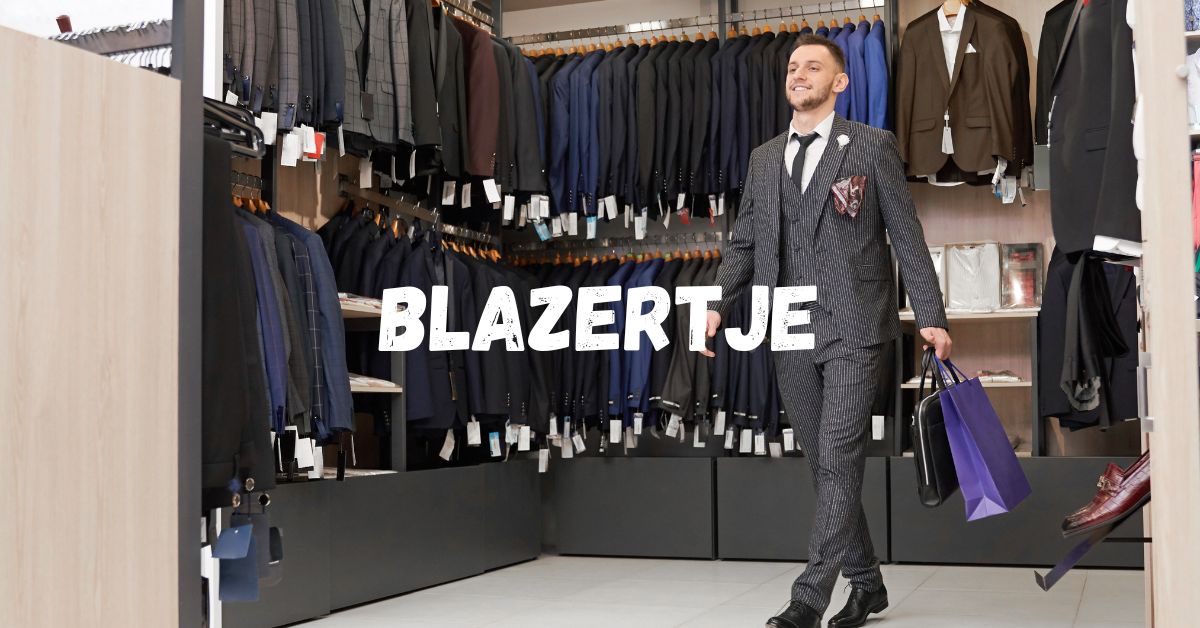
The Basic Idea Behind Blazertje
A blazertje stands as a light jacket that brings comfort and neat looks together. People know this piece as the smaller or softer type of blazer. The word comes straight from Dutch. In Dutch the short ending tje turns regular words into something cute or gentle. This makes blazertje mean a blazer that feels friendly and easy instead of stiff.
The jacket keeps a clean shape but cuts out heavy parts found in older styles. Fabric stays thin and lets air pass through. Many choose blazertje when standard jackets seem too formal for daily tasks. The overall cut allows free movement all day long without any pull or weight.
Beginners notice right away how blazertje mixes well with other clothes. One simple layer turns basic tops and bottoms into complete outfits. The design works for all body types because the fit stays relaxed yet neat. This item serves as a go-to piece when someone needs quick style without extra effort.
The Origin Of Blazertje
Blazertje traces back to classic blazers from old times. Those early blazers appeared first in British sports groups and navy settings. Rowing teams and officers wore solid blue versions with metal details. Over years the style moved into offices and formal events.
Designers like those from past decades started to loosen the rules. They removed thick padding and made fabrics lighter. This change happened around the start of the twenty-first century. Fashion shifts toward easy wear pushed the idea forward. Social media and public figures helped spread the new lighter version fast.
Today blazertje exists as a clear result of those steps. Brands across Europe and beyond make versions in many colors and materials. The name stuck because it captures the gentle approach. New makers focus on practical use so the jacket suits modern routines without trouble.
Main Differences Between Blazertje And Traditional Blazer
Traditional blazers come with firm shoulders and thick inner layers. These elements create a sharp line that suits strict events. Blazertje drops most of that structure for a natural flow. Shoulders stay soft and the whole piece drapes easily over the body.
Weight forms another big point. Classic blazers often use heavy wool that feels warm but limits movement. Blazertje picks thin options like cotton or linen so the jacket stays cool and light. This choice makes long hours in the item much more pleasant.
Formality levels differ too. Standard blazers point toward business suits or uniforms. Blazertje moves between casual and office settings without issue. The softer edges let it pair with jeans just as well as with dress pants. Beginners see this mix as the main reason to pick blazertje over older types.
Special Features That Set Blazertje Apart
Breathable cloth stands out in every blazertje. Cotton options keep skin dry during warm days. Linen adds a bit of texture that looks fresh even after hours of wear. Wool blends work when temperatures drop but never feel bulky.
Tailoring focuses on ease. Seams stay simple and linings stay minimal or absent in many models. This setup lets arms swing freely and backs bend without pull. Pockets appear in useful spots but never add bulk.
Colors and patterns give extra choice. Navy stays common for clean looks. Pastel shades or bold greens appear in newer lines. Some versions show light stripes or checks that add interest without going too far. The overall result feels personal yet still polished for any setting.
Best Ways To Wear Blazertje In Daily Life
Casual outfits start easy with blazertje. Pair the jacket over a plain tee and jeans. Sneakers or low boots finish the set for walks or coffee meets. The light weight keeps everything comfortable from morning until evening.
Office settings gain polish when blazertje layers above a button shirt. Straight trousers complete the picture. The soft cut looks neat without matching a full suit. Many wear this combination on regular workdays and feel ready for meetings.
Evening plans work well too. Blazertje sits nicely over a simple dress or fitted pants. Add basic jewelry or a scarf for extra touch. The jacket moves from day to night because it stays light and folds small for bags.
Tips For Picking The Best Blazertje
Fabric selection depends on the season. Cotton or linen suits spring and summer because air flows through. Wool or blends keep warmth in fall and winter months. Check labels to match the climate where one lives.
Fit options exist in several forms. Standard cuts follow body lines closely for tidy events. Loose styles allow room for layering on cooler days. Short lengths end above hips and suit active looks. Try different lengths in stores to see what feels right.
Color choices affect daily use. Neutral tones like gray or beige match almost any bottom piece. Brighter shades bring energy to plain outfits. Start with one neutral blazertje then add others as needs grow.
Simple Steps To Keep Blazertje Looking Good
Care starts with the label on each jacket. Some fabrics allow machine wash on gentle cycles. Others need hand wash or dry cleaning to keep shape. Always close buttons before cleaning so edges stay straight.
Storage matters for long life. Hang blazertje on wide shoulders to stop shoulder bumps. Fold lighter versions only when travel calls for it. Keep the item away from direct sun to protect colors.
Small fixes help when wrinkles show. Steamers work fast on most materials. Light ironing on low heat fixes linen types without shine. Regular checks for loose threads keep the jacket neat for many seasons.
Current Trends With Blazertje
Gender neutral styles grow fast with blazertje. Anyone wears the jacket over dresses or with trousers. This approach breaks old rules and lets personal taste lead the way. Brands now offer cuts that suit all shapes equally.
Sustainability appears in new collections. Makers pick organic cotton and recycled fibers for many blazertje lines. These choices cut waste while keeping comfort high. Shoppers find eco options in regular stores and online.
Oversized and cropped shapes show up often. Loose fits layer easily in cold weather. Short versions pair with high waist items for balance. Bold colors like soft rose or blue add fresh energy to wardrobes each season.
Conclusion
Blazertje stands as a practical jacket that joins comfort with neat appearance in one piece. The Dutch name points to its gentle nature while the design delivers real use across days and events. Beginners see clear steps here to understand the item, pick the right version, and wear it without fuss.
This jacket solves common style questions by working in casual, work, and evening settings alike. Light fabrics and soft cuts remove discomfort that comes with heavier options. People notice quick improvements in outfit flow once blazertje enters daily routines.
The guide offers straightforward facts so new users gain confidence fast. Start with one basic in a neutral shade then build from there. The result brings lasting value because the piece lasts seasons and mixes with existing clothes proves a smart addition for anyone who seeks simple ways to look put together every time.