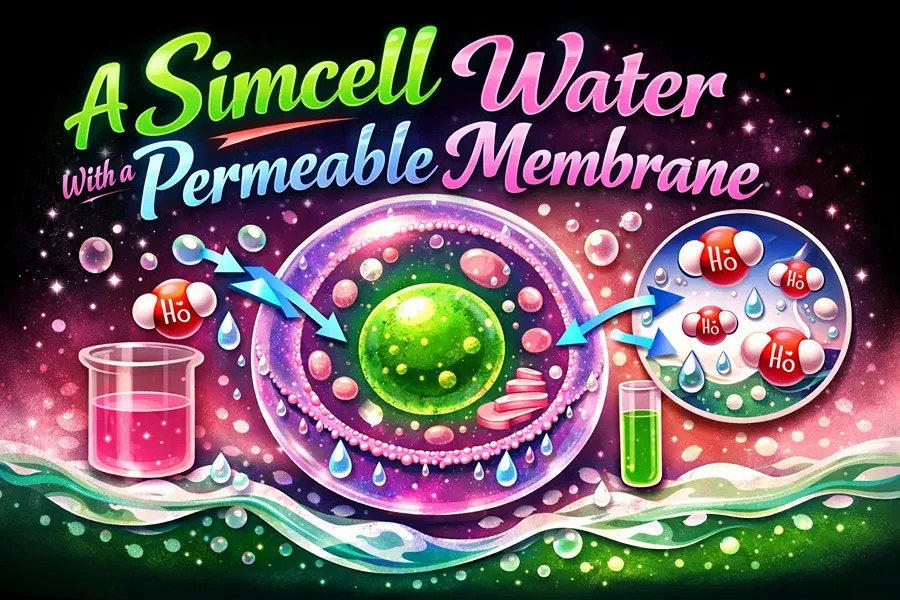
A simcell with a water permeable membrane stands out as a useful tool in science and engineering fields. This setup controls how water moves between two areas while keeping everything else in place. Engineers and scientists build the system to copy real conditions in a safe and exact way. Water passes through a special layer but larger items like dirt or chemicals stay behind. The idea comes in handy for testing new ideas before people put them to work in the real world. Simple designs make the process easy to understand even for those new to the subject.
The container forms the main body of a simcell with a water permeable membrane. A thin layer inside the container lets only water through its tiny openings. Support pieces hold the layer steady so nothing breaks under pressure. Openings at the sides allow water to enter or leave in a controlled manner. Sensors sometimes attach to track changes over time. All parts work together to create steady results that people can trust and repeat.
What Is a Simcell With a Water Permeable Membrane?
A simcell with a water permeable membrane serves as a controlled space that copies conditions found in nature or industry. The system holds materials inside while water flows in or out as needed. Engineers turn to this approach when they want to study water movement without mixing unwanted substances. The setup appears in many tests because it gives clear and measurable outcomes. People who work in labs or on building sites find the concept straightforward once they see the parts in action.
Basic versions consist of a sturdy box and a special sheet stretched across the middle. The sheet features thousands of microscopic holes sized just right for water molecules. Larger objects cannot fit through those holes so they remain on one side. This separation keeps experiments clean and results accurate. Students and new professionals learn the system quickly because the parts look simple yet perform important tasks.
How Does a Water Permeable Membrane Work in a Simcell?
Water moves through the layer inside a simcell with a water permeable membrane in several natural ways. Osmosis happens when water shifts toward the side that holds more dissolved material to create balance. One side might contain salty liquid while the other side stays fresh so water crosses to even things out. Hydraulic pressure pushes water from the high-pressure area to the low-pressure area like a gentle squeeze through the holes.
Capillary action draws water along narrow spaces on its own similar to how a cloth soaks up a spill. Diffusion spreads water from places where molecules crowd together to places where space opens up. The size of the holes in the layer decides how fast or slow the flow occurs. Material choice also affects the speed because some fabrics resist sticking while others allow smooth passage. Tests show consistent patterns once the right settings appear in place.
Why Does Selective Water Permeability Matter?
Selective passage of water inside a simcell with a water permeable membrane solves many practical problems in testing and design. The system stops soil particles from washing away during drainage checks so structures stay stable. Moisture levels stay even which supports accurate studies of plant roots or building foundations. Contaminants remain trapped on one side which protects clean water on the other side.
Experiments run with greater precision because the results reflect only the intended changes. Industries rely on this control to meet safety rules and improve efficiency. The approach cuts waste and protects resources over long periods. Clear separation between areas leads to findings that transfer well to larger projects.
Places Where People Use a Simcell With a Water Permeable Membrane
Engineers apply a simcell with a water permeable membrane in soil studies to watch how rainwater drains without carrying away fine particles. The setup helps plan better roads and buildings on soft ground. Groundwater research makes use of the system to track underground flow patterns safely in the lab. Landfill tests rely on the design to check if liners hold liquids properly before construction begins.
Water treatment facilities test new filters with the setup to see how well they separate clean liquid from waste. Irrigation experts study root zones to find the best ways to deliver water to crops without loss. Laboratory teams examine chemical movement across barriers in controlled conditions. Each field benefits because the system delivers repeatable data that supports sound decisions.
Materials Used to Build Water Permeable Membranes
Polyethylene forms a common choice for the layer in a simcell with a water permeable membrane because the material offers strength at low cost. The plastic resists wear and works well in many soil tests. Polypropylene provides similar toughness with slightly better resistance to certain chemicals. Polytetrafluoroethylene stands up to strong acids and high heat so the layer lasts longer in tough conditions.
Cellulose sheets come from natural sources and suit gentle experiments where eco-friendly options matter most. Composite sheets combine several plastics to balance cost, strength, and flow rate. Selection depends on the pressure expected and the length of the test period. Each option brings specific strengths that match the needs of the project at hand.
Steps Engineers Follow to Design a Simcell With a Water Permeable Membrane
Engineers begin the design of a simcell with a water permeable membrane by stating the exact goal of the test or simulation. Next comes the choice of layer material and hole size based on the expected water speed. Flow calculations follow to predict how much liquid passes in a given time. The outer container receives attention so it holds shape under load without leaks.
Physical models undergo checks in the lab to confirm the numbers match real behavior. Sensors go in place if continuous readings become necessary. Final adjustments ensure everything operates smoothly before full use. The sequence keeps surprises low and success rates high across different teams.
Good Points About Using a Simcell With a Water Permeable Membrane
A simcell with a water permeable membrane offers steady water movement that people can predict with confidence. Contamination stays low because unwanted items cannot cross the barrier. Experiments produce numbers that match closely between repeated runs. Water use drops because the system recycles liquid efficiently in closed loops. Maintenance stays lighter than systems that rely on moving parts or frequent cleaning.
Sustainability improves when the setup appears in planning because less material ends up wasted. Research moves forward faster with reliable data from the controlled space. Industries adopt the approach widely once teams see the cost savings over time. The overall setup brings order to complex water studies.
Issues to Watch When Working With a Simcell With a Water Permeable Membrane
Layers inside a simcell with a water permeable membrane sometimes collect buildup that slows the flow after weeks of use. Pressure changes can stretch thin sheets and alter hole sizes over time. Strong chemicals may weaken certain plastics if the match between material and liquid stays poor. Temperature swings cause expansion and contraction that affects seals around the edges.
Teams reduce these concerns by choosing the right materials from the start and scheduling regular checks. Pre-filters catch large particles before they reach the main layer. Backup sheets allow quick swaps when performance drops. Awareness of these points keeps operations smooth and data trustworthy.
Ways to Keep a Simcell With a Water Permeable Membrane in Good Condition
Regular surface checks on the layer inside a simcell with a water permeable membrane reveal early signs of buildup so cleaning occurs before flow drops. Flow measurements taken at set times show when performance begins to change. Gentle rinsing with plain water removes loose material without damage to the holes. Replacement of the layer happens at planned intervals based on usage intensity.
Seals around the container receive inspection to stop leaks that waste liquid or spoil results. Sensor batteries and connections stay fresh to guarantee accurate readings. Records of all actions help teams spot patterns and improve future setups. Consistent care extends the life of the entire system by many months or years.
Role of Computer Models in Improving a Simcell With a Water Permeable Membrane
Computer programs now allow teams to see water movement inside a simcell with a water permeable membrane on screen before any parts get built. The software calculates flow rates and pressure changes across thousands of possible settings in minutes. Designers test different hole sizes and materials without spending money on physical copies. Adjustments happen quickly so the best combination reaches the lab ready for use.
Teams compare model predictions against real test results to refine the software further. This loop cuts development time and raises accuracy for large projects. New ideas receive screening in the digital space first which saves resources and speeds progress. The combination of screens and physical setups creates stronger outcomes than either method alone.
For More Information: Visit Here
Conclusion
A simcell with a water permeable membrane provides clear control over water movement while keeping other materials safely apart. The system supports work in soil studies, water cleaning, crop research, and lab experiments with steady and trustworthy results. Knowledge of the setup, materials, design steps, and care methods equips people to build better tests and real-world solutions. Readers walk away with practical steps that lead to fewer mistakes and stronger outcomes in water-related work. The information creates a solid base for success across many technical areas and encourages smarter approaches in every project people start.