
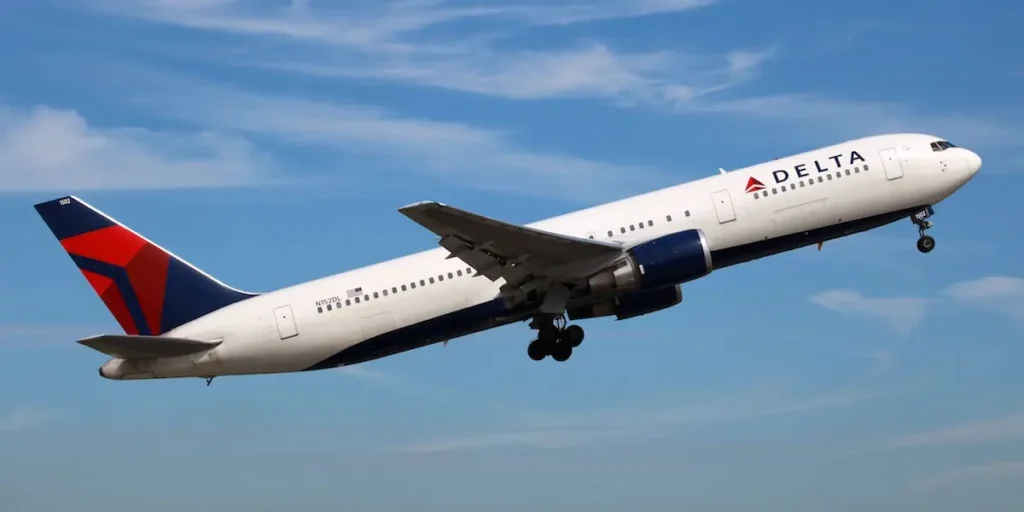
You are sitting in a chair, on a long-distance Delta Flight DL275 from Detroit to Tokyo, praying for a clear sky, and maybe one or two movies. However, the captain announces halfway through that there is a change of plans. The same happened to the joy-riding passengers of Delta Flight DL275 in late May 2025. This ordinary flight ended up being an aviation story not because of the incident but because of the wise decisions made that guaranteed everyone’s safety. We will take you through in detail, the happenings that caused the diversion to Los Angeles International Airport, or LAX. Starting from the breakdown of the aircraft’s component to how the airline handled the matter, this piece is intended to highlight such occurrences. If you have always wished to understand the flying operations, then, stay tuned. Moreover, we are going to share some practical tips for similar scenarios that are backed by true stories and expert opinions. By the time you finish reading, you will be ready for any unexpected events during your air travel..
Table of Contents
ToggleThe Planned Journey of Delta Flight DL275
Everyday Delta Flight DL275 serves as a vital direct link between Japan and the Midwest of the United States. The flight departs from the Detroit Metropolitan Wayne County Airport (DTW) at around 3 PM local time. Its destination is Haneda Airport (HND) in Tokyo, which is closer to the city than the other major airport Narita (NRT). This route attracts not only business travelers but also other tourists and families that are moving around the world. With an average of 13 hours of elapsed time, the flight covers around 6,400 miles, mainly over the Pacific Ocean. The passengers get to enjoy a wide range of amenities offered by the airline, such as premium cabin lie-flat seats and in-flight entertainment for all classes. The extremely convenient timing of the whole trip is mainly due to the time zones cleverly done to reduce jetlag—afternoon departure and next evening arrival in Tokyo. The route through the northern Pacific is largely dictated by the weather conditions but the crew factors that in. For the flight on May 26, 2025, everything happened as planned with passengers at gate A46 boarding but then a delay occurred, and so the take-off time was moved back by almost two hours, which eventually led to the next incident.
Details on the Aircraft
The plane for DL275 was an Airbus A350-900, registration N508DN. This model stands out for its efficiency and comfort on long routes. Delivered to Delta Flight DL275 in 2018, it’s part of their growing fleet of 37 such aircraft. Inside, it seats 306 people: 32 in business class with full-flat beds, 48 in premium economy for extra legroom, and 226 in standard economy. Advanced materials make it lighter, saving fuel and reducing emissions. Engines from Rolls-Royce, the Trent XWB series, power it reliably across oceans. Safety features include multiple backups for critical systems. On this day, the aircraft arrived late from Amsterdam, causing the initial holdup. Once airborne, it climbed to 38,000 feet, cruising smoothly until the issue arose. This setup highlights why airlines choose the A350 for transpacific hops—it’s built for endurance and passenger ease.
What Sparked the Diversion
Halfway through the flight, above the Bering Sea, a warning appeared in the cockpit. It indicated a problem with the engine anti-ice system on one of the two engines. This is not an unusual situation for aviation, but it does require special attention during long ocean flights. The system heats up parts of the engine and as a result, there wouldn’t be any thick ice on those parts and even if there was, it would not be so critical. With the system malfunctioning, there is a risk of the engine losing power due to airflow disruption. For Delta Flight DL275, the fault was detected about five hours into the flight, when it was already quite far away from land. The pilots performed a series of checks but the warning was still there. They could either go to Tokyo which was an ice-prone area if the weather turned, or they could go back to safer ground. They chose the latter. This decision is in accordance with the established procedures: manage problems when they are small so that they do not escalate to larger ones. It is not like there was smoke or fire—just a preventive measure to sort things out at the airport.
Understanding Engine Anti-Ice Systems
Engine anti-ice systems serve as a freeze protection mechanism during the flight. For instance, the A350 jets take hot air from the compressor stage and use it to heat up the parts that are at a risk of freezing. There are temperature sensors that constantly monitor the temperatures and depending on the readings, the system automatically or manually operates. The pilots can view the status on their displays. In the case of Delta Flight DL275, a sensor could have identified an irregularity such as a valve stuck or a bleed air leak. These kinds of faults are not necessarily hazardous, but being over large water areas, caution prevails. Later on, the maintenance logs had confirmed a temporary problem, not a design flaw. The airlines prepare their crew on how to deal with these situations through simulations. For the passengers, it is totally invisible until the crew makes an announcement. This event illustrates the role of technology in detecting problems earlier and thus preventing escalations which would result in secure flights. If the situation was bad enough, ice formation could cause engine stalling but that is really rare with current technology. Regular maintenance checks identify wear, nevertheless, unexpected failures do occur.
This paragraph is longer in length because it aims to discuss the topic in detail. Engine anti-ice is not only a button, it is the entire system of pipes, valves, and electronics that operate in harmony. The Rolls-Royce Trent XWB has such an efficient integration of its anti-ice system. After the warning the crew saw on DL275, they began to consult checklists, and perhaps they contacted the Delta Flight DL275’s operations center by satellite. The decision was made considering factors like fuel left, conditions at alternate airports, and weight of the aircraft. Taking the alternative runway would consume more fuel, but LAX had a long runway and provided all the necessary support. Post-event reviews usually lead to refining the procedures, such as making the sensor more reliable. For the passengers, it is a relief to know that this kind of system gives priority to safety which also means that the incident might not happen again. Although such incidents are not the best, they help to strengthen the trust in the multiple layers of aviation safety measures. All in all, it took around 18 hours to carry out the inspection and clear the aircraft for service again, which speaks to the thoroughness of the checks.
Why Choose LAX for Landing
There were numerous advantages that led to the choice of LAX as the airport for this flight. The airport is a home base for Delta Flight DL275 and it has got excellent maintenance for the A350 with specialized tools and staff at the site. The flight was nearer to LAX than flying to Tokyo or other places like Anchorage, which might not have full facilities. In addition, the weather in Southern California does not allow for the formation of ice; therefore, it is much safer than the colder northern areas. The fuel levels permitted the detour without any strain on the aircraft. In any case, crews always consider proximity, runway length, and medical support if needed – even though none of these factors were here, they were always considered. LAX’s busy status allows quick gate availability plus ground teams ready. So, this diversion transformed a 13-hour flight into a 12-hour round trip to Los Angeles, however, it did not let over the Pacific potential complications. Airlines make alternative airports available in advance and LAX was one among them. Moreover, it also allowed for easier passenger rebooking, with a large number of flights from there to Asia.
Crew’s Quick Thinking
The pilots and the cabin crew were excellent in their performance. After the emergency signal, they pilot a little and quickly got into the solid formation. There was no emergency signal, thus control was not notified. They quietly and with confidence talked to the passengers, telling them it was necessary to land at LAX for checking of the plane. The attendants continued to serve, providing water and snacks to help people calm down. There was announcement and seatback screens communication. All standard procedures were followed as soon as the plane was about to land—seats up, belts on. At about 1 a.m. local time landing on runway 06R was unhindered. The crew said thanks to the passengers for their understanding after the plane had stopped. They execute: training prepares them to draw priorities, enact and communicate. It was more than likely that the operations center of Delta Flight DL275 was giving guidance from a distance, tracking via satellite. This was a situation that showed why experience is very important in the air as it was a stress-free response.
Life Onboard During the Change
Passengers had a mixture of feelings; they were surprised and at the same time calm. The flight was very normal at first—meals were served and everybody was watching movies. The next thing was the announcement: “We are going to LAX for a mechanical check.” Some people felt worried about their connections or the need for hotels, while others believed in the process and knew that the diversions were part of the game. Once again, no turbulence or alarms to add to the smoothness. Already kids were playing games and adults were in their discussions or taking short naps. The crew even offered extra drinks to ease the discomfort. There was one account of a passenger with a tight schedule who expressed his dissatisfaction, but the majority of the people were on the safety side. The descent was so smooth that the only thing to see was the city lights getting closer to LAX. When the iron wheels got touched down, the sound of applause was heard, which is a common sign of relief. Deplaning was slow due to customs, but lights of Delta Flight DL275 representatives were seen with the information. In conclusion, the whole situation was like the emergence of human resilience in the faces of unexpected changes.
How Communication Helped
The cockpit’s clear updates calmed the passengers’ nerves. The captain was very straightforward: “There’s a problem with one of the systems on the ground and we’re going to divert.” No fancy words, just the truth. The flight attendants made their way through the cabin, answering questions individually. The new route was displayed on the screens, assisting the passengers’ understanding. This openness created trust—people on board were aware of the situation. On the other hand, poor communication may lead to the spreading of rumors. In this instance, it worked the other way around—rumors were killed. The landing was followed by emails and texts from Delta Flight DL275 which detailed the next steps. Some passengers were given vouchers on the spot. Good communication turns chaos tamed flow. Airlines are going to use customer feedback to improve future flights. The example of Delta Flight DL275 proves that words are as significant as actions in maintaining tranquility.
The reactions of the passengers were very different after the incident.
One passenger commented on the quietness of the cabin, with everyone either reading or listening to music.
Another one mentioned the crew’s resilience through the smiles even though it was a detour.
Ground Response and Recovery
Upon landing at LAX, Delta Flight DL275 promptly started its operations. The airplane was greeted by teams that directed the passengers to immigration when necessary. Processing took priority since many passengers had international itineraries. The airline canceled the Tokyo leg of the journey and most people were rebooked on flights either later that day or the following one. The airport hotels were given the responsibility of accommodating those who were to spend the night along with providing them with meal credits. Baggage handled for connections was transferred without any hassle. U.S. regulations guided compensation—refunds for delays longer than certain hours plus goodwill gestures such as miles. No passenger was left without support as the support lines remained open. This quick arrangement reduced disruption to a minimum and even turned a setback into a very short pause. Delta Flight DL275’s LAX hub power was evident; the extra staff were already there to help with the influx.
Fixing the Plane
The A350 remained on the ground while checks were performed. The technicians investigated the anti-ice system and discovered one bad part. Overhauls were completed in approximately 18 hours, with the tests confirming the aircraft’s readiness. FAA supervision made sure that all requirements were met. This period of inactivity eliminated risks and was in line with maintenance standards. Airlines keep records of these occurrences to find trends that may lead to software or parts refreshment. For N508DN, it went back to operation with no errors. Travelers on subsequent flights gained from this prudence. The case of the A350 underlines that routine maintenance is the factor that keeps fleets airworthy.
Lessons from the Sky
This diversion reveals the main ideas of flying safe. First, anti-ice systems like catch bugs early, thus giving the crews time to take action. DL275 steered clear of trouble by not continuing. It stresses training—pilots frequently practice through scenarios. Airlines also learn, adapting their procedures. A case in point, more proactive tools could indicate wear prior to flights. The incident concurs with other reroutings of Delta Flight DL275 on that day, which in turn led to check reviews of the fleet. In general, it shows that the safety net of aviation works with redundancy already in place. No harm was done thus strengthening the point that diversions are better than risks. Analysts of the industry see such instances as demand for improved tech integration.
Tech’s Growing Role
Modern planes pack sensors feeding data to ground teams in real time. On DL275, alerts likely reached Delta Flight DL275’s center instantly via satellite. This allows joint decisions. Future tech, like AI, might predict faults from patterns. Airbus refines the A350 based on field data, enhancing reliability. Diversions drop as systems improve, but they’ll always occur for caution. Passengers gain from apps tracking updates. This incident spotlights how innovation bolsters trust in air travel.Tech evolves fast in aviation.Predictive maintenance uses data to fix before breaks.Delta Flight DL275 benefited from current alerts.
Advice for When Plans Shift
Flight changes are bound to happen whether for reasons such as bad weather, technical issues, or other causes. It would be wise to have your medicines, chargers, and an outfit among other things in your carry-on for packing. It’s also a good thing to get the airlines’ apps for getting notifications in real-time. Knowing your rights is essential because U.S. regulations oblige the airlines to give some support like meals or lodging in the case of delays that they can control. Always treat the staff well as they are more likely to assist you. If the trip is international, the travel insurance will cover the extra charges. Taking the case of Delta flight DL275, just breathe and safety first. Share your experiences on social media to get community tips. Mentally get ready: think of the detours as adventures. This mindset will change stress into stories.
Packing Essentials
Carrying-on luggage eliminates problems. Add in snacks, water bottle, and neck pillow. For children, either toys or tablets. Also, papers such as passport copies. On the Delta Flight DL275 flight, the ones with essentials were better off during the waiting time. Never check in precious items. Arrange your clothes in layers to cope with different temperatures. This preparation reduces the strain of any break in the journey.
Knowing Passenger Rights
In the U.S., the airlines have to offer basics in case of large delays: food after two hours, lodging if it is overnight. Delta Flight DL275 made this for DL275. The EU regulations provide more money compensation. It is important to consult the policies before the flight. The AirHelp application can help with claims. Having knowledge gives power to calm reactions.
Keeping Cool Under Pressure
If you feel anxious, try to breathe evenly. One can converse with the people next door or enjoy the music. The staff onboard are trained to be calm—just follow them. On Delta Flight DL275 the majority remained calm which helped the ambiance. Write down your thoughts for closure, after the event. It is a practice that helps with future travels.
Conclusion
Delta Flight DL275’s diversion to LAX in May 2025 boils down to a smart call on a tech glitch, ensuring no one got hurt. From the anti-ice fault over the Pacific to the safe touchdown and quick rebooks, it showed aviation at its best—cautious and caring. Key takeaways: Trust crew judgment, pack wisely, and know rights for smoother handling of surprises. Whether you’re a frequent flyer or occasional traveler, stories like this remind us flying remains one of the safest ways to go places. Next time you’re airborne, appreciate the unseen work keeping things steady. Safe travels out there—may skies stay friendly.