
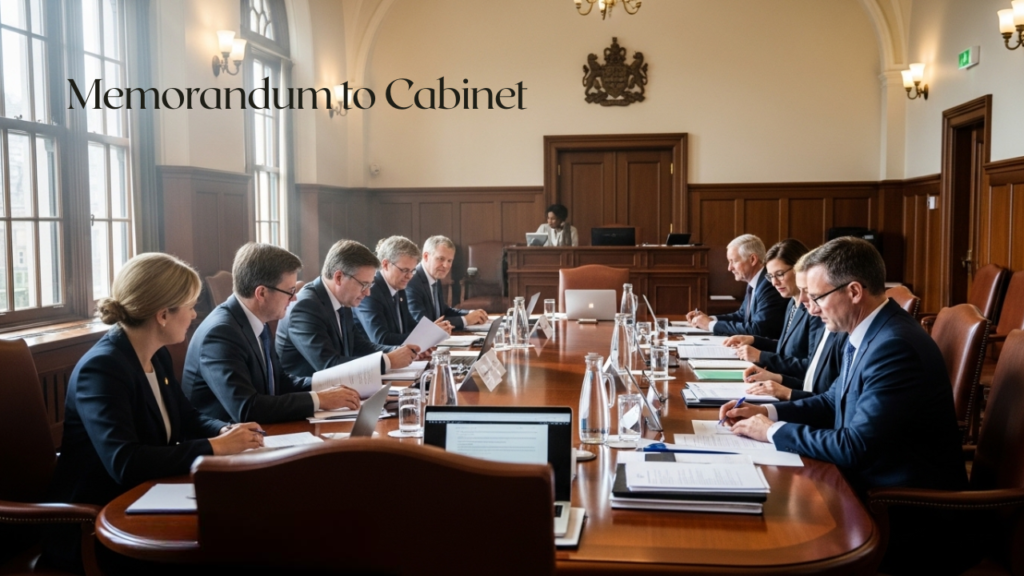
A memorandum to cabinet stands as an important paper in government circles. Ministers use this document to present ideas for new policies or actions. Cabinet members then discuss and decide together if the idea should move forward. Governments use this system to make sure all ministers understand the full picture before they vote on changes. The process promotes teamwork at the highest level. Officials in departments spend weeks or months gathering facts for the memorandum. This approach prevents rushed choices that could cause problems later. Everyone sees the same details and risks listed in the memorandum to cabinet. In the end, the cabinet records the decision clearly.
Table of Contents
ToggleWhat Does a Memorandum to Cabinet Mean Exactly?
A memorandum to cabinet acts as the main way ministers ask for permission on big projects. The document comes from one minister but represents work from many officials. It explains why action is needed now and what results to expect. Countries with parliamentary systems rely on the memorandum to cabinet for policy work. The paper stays confidential because it contains sensitive information about plans and costs. Only cabinet members and a few staff see the full memorandum during discussions.The format follows strict rules so that all memorandum look similar. This consistency helps ministers compare different proposals quickly. New staff learn the standard sections fast.
The Main Reasons for Using a Memorandum to Cabinet
The purpose of a memorandum to cabinet centers on collective responsibility. Ministers share blame or credit for decisions made together. A single minister cannot start major spending or new laws alone.
The memorandum forces clear thinking. Writers must list several options and show why one works best. This step reduces bias and encourages evidence-based choices.Public money gets protected because costs appear upfront in the memorandum to cabinet. Ministers know exactly how much the idea costs over time. The process also checks if the idea fits with other government goals.
Times When a Memorandum to Cabinet Becomes Necessary
A memorandum is required for new policies that affect multiple ministries. Examples include changes to taxes, health rules, or education standards. Big spending items always need one.When a law needs to go to parliament, the memorandum to cabinet seeks approval to draft the bill. International agreements often require a memorandum to cabinet before signing.
Controversial topics call for a memorandum to cabinet so all views get heard. Even responses to questions from lawmakers sometimes use a short version of the memorandum to cabinet.Departments check rules to see if a proposal qualifies for the memorandum to cabinet route. The cabinet secretariat gives guidance on this point.
Key Sections Inside a Typical Memorandum to Cabinet
The first part of a memorandum to cabinet states the issue in one clear sentence. Next comes the recommendation section where the minister proposes the best action.Background information follows to show how the situation started. Then comes analysis of different options with pros and cons for each. Costs, legal issues, and risks get full coverage.
Consultations with other groups appear in the list. The memorandum to cabinet ends with plans for putting the decision into action and for telling the public about it.All sections stay short and use plain language. Ministers read the whole thing in limited time before meetings.
How Officials Prepare and Submit a Memorandum to Cabinet
Work on a memorandum to cabinet starts with a minister directing the department to study a topic. Officials gather data, talk to experts, and meet other departments for input.Drafts go back and forth for comments. Central offices like the cabinet secretariat review early versions. Changes address any gaps or unclear points.
The final memorandum to cabinet gets signed by the minister and sent to the cabinet office. Staff there schedule it for a committee or full cabinet session.Timing matters because meetings follow a set calendar. Late submissions cause delays in government work.
What Happens After Submission of a Memorandum to Cabinet
Cabinet committees often study the memorandum to cabinet first. Members ask questions and suggest changes. The sponsoring minister explains details in the meeting.If the committee supports the idea, the memorandum to cabinet moves to the full cabinet. There, all ministers discuss and vote. The prime minister or chair guides the talk toward agreement.
Once decided, the cabinet records the outcome. Departments then start work based on the approved plan from the memorandum to cabinet. Progress reports may come back later.This closed loop keeps accountability strong throughout government.
Useful Advice for Writing a Strong Memorandum
Writers focus on facts and logic in every sentence of the memorandum. Jargon gets removed so non-experts understand easily.Each option receives fair treatment with clear reasons for the preferred choice. Numbers on costs and benefits stay realistic and sourced.
Proofreading happens many times before the minister sees the draft. Short sentences work better than long ones in the memorandum to cabinet.Teams consult widely early to avoid surprises later. Good coordination leads to smoother approval for the memorandum.
Example of a Memorandum to Cabinet in Action
Suppose the health minister sees a problem with hospital wait times. The memorandum describes the issue with numbers from recent studies. Options include hiring more staff, building new facilities, or changing appointment systems. The paper shows costs for each and recommends the middle option because it balances speed and expense.
Consultations with finance and labor ministries appear in the list. The communications part outlines press releases and public meetings. After approval, the health department starts the changes within six months.This example shows how the memorandum turns ideas into real programs step by step.
Benefits for Newcomers Learning About Government Work
People starting careers in public service learn a lot from studying past memorandum examples. The format teaches logical thinking and balanced analysis. Understanding the process helps staff contribute better to team efforts on future papers.
Citizens who read summaries or news about approved memorandum gain insight into why certain policies exist. This knowledge reduces confusion about government moves and encourages informed discussions in communities.Schools and training programs include lessons on the memorandum to prepare the next generation of leaders. The tool stands as a model for organized decision making in large organizations.
Differences Across Countries in the Memorandum to Cabinet Approach
While the core idea stays the same, details vary between nations. Some places limit the main paper to five pages while others allow ten. Annex requirements differ based on local rules.In federal systems, extra steps check impacts on states or provinces. Island nations might focus more on sea-related topics in their memorandum. Despite variations, the goal remains collective wisdom for the best outcomes. Officials moving between countries adapt quickly because the basic structure looks familiar everywhere.
Importance of Confidentiality Around the Memorandum to Cabinet
All participants treat the memorandum to cabinet with great care to protect sensitive details. Leaks could affect markets or international talks. Secure handling procedures apply from drafting to final storage.
After decisions, only approved parts may become public through announcements. The full memorandum to cabinet stays in government archives for future reference under strict access rules.
This secrecy allows frank discussions among ministers without outside pressure. The practice supports honest exchange of views on tough topics.
Financial Aspects Covered in a Memorandum to Cabinet
Every memorandum includes detailed cost breakdowns for the proposed action. Writers show spending for the first year and for future years as well. Sources of money get identified clearly, whether from existing budgets or new requests.
Risks to the budget appear in plain terms so ministers see possible extra expenses. The analysis compares costs against expected benefits like improved services or saved money elsewhere.
Finance officials review these numbers carefully before the memorandum reaches the cabinet table. Accurate figures build confidence in the recommendation.
For More Information: visit Here
Conclusion
The memorandum to cabinet serves as a cornerstone for sound government choices in many nations. This document brings structure, evidence, and teamwork to policy making at the top level. Beginners gain clear insight into how big decisions form when they study the sections, process, and reasons behind each memorandum to cabinet.
People now understand the full picture and see the value in this tool for better governance. Knowledge about the memorandum empowers citizens to follow news on government actions with greater awareness. The system promotes careful planning that leads to policies serving the public good over years ahead. Strong use of the memorandum to cabinet builds trust in institutions and supports effective leadership.