
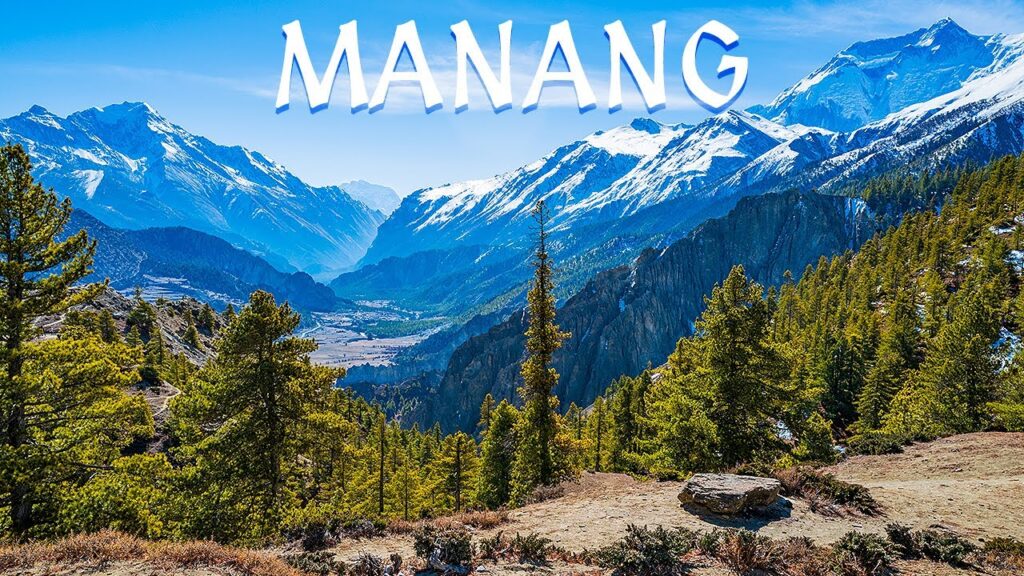
Manag sits as a quiet town in the mountains of Nepal. People find it in the Gandaki Province, part of the Manag District. The spot reaches up to 3,519 meters above sea level. This place rests in a wide valley next to the Marshyangdi River. Tall peaks from the Annapurna range stand south of it. In the west, a high pass called Thorong La connects to other valleys. Northward, Chulu East peak rises tall. Many visitors come here for treks around Annapurna. The town helps them adjust to thin air before going higher. Fields on slopes grow crops thanks to sun and less snow in cold months. About 2,222 people lived there in 2001, but district numbers show around 6,500 now. Locals farm, raise yaks, and run spots for trekkers. A small airport lies nearby, though flights stopped years ago. Roads and paths bring goods by jeep or mule. This spot draws those who seek peace in high places.
Table of Contents
ToggleGeography of Manag
The land around Manag shows rough beauty. It spreads over 2,246 square kilometers in the district. Lower parts hold forests and rivers, while upper areas turn dry and rocky. The Marshyangdi River cuts through the valley, flowing east. High mountains block rain from south, so Manag stays drier than spots below. Altitudes range from 2,000 to over 6,000 meters. Glaciers and lakes dot the scene, like Gangapurna Lake with blue waters. Peaks such as Annapurna III and Gangapurna tower above. Villages scatter across, some like Pisang split into lower and upper parts. Stone houses cling to hillsides. The area borders Tibet in the north, adding to its remote feel. Wildlife roams here, from snow leopards to blue sheep. Plants change with height, from oaks below to wildflowers up high. This setup makes Manag a base for hikes into wild spots. For example, a short walk leads to views of ice fields and distant summits.
Climate in Manag
Weather in Manag changes with seasons and height. Spring from March to May brings mild days around 10 to 15 degrees Celsius. Nights cool to zero. Flowers bloom, and skies clear for good sights. Autumn, October to November, offers similar calm with crisp air and no clouds. Days hit 10 to 15 degrees, nights drop to minus five. These times suit walks best. Summer, June to September, sees rain and fog. Trails get slippery, and views hide. Temperatures rise to 15 or 20 degrees, but storms hit often. Winter, December to February, turns cold with snow. Days stay near zero, nights fall to minus 15 or lower. Passes close sometimes. The dry side comes from mountain shadows blocking monsoon rains. Little water falls yearly, making it like a high desert. Pack layers for sudden shifts. Trekkers check forecasts to avoid bad spells. In real life, many plan trips for fall to see sharp peaks without freeze.
History of Manag
Manag holds stories from long ago. Trade paths linked it to Tibet and lower Nepal since the 8th century. Salt and goods moved over passes. Locals called it Manag Bhot in old times. Ruins of a Ghale king’s palace remain near. Stone walls and gates guarded borders. People traded yaks and sheep for decades. In the late 1970s, tourism opened up. Farmers turned to hotels and guides. The airport built in 1985 helped, but stopped flights in 2012. A new trail to conservation areas finished in 2011. This boosted visits. Ancient monasteries stand as signs of past faith. Buddhist ways came from Tibet. Traders brought customs that mix with local ones. For instance, old routes now serve as trek paths. The shift from trade to tours shows how places adapt. Today, remnants like old houses tell of hardy life in mountains. Visitors learn from these marks of time.
Demographics of Manag
People in Manag number around 6,500 in the district. Density sits low at three per square kilometer. Most belong to Gurung and Ghale groups. They follow Buddhism mainly. Languages include Managba, a Sino-Tibetan tongue. Older folks speak it more. Families live in small households, about 1,500 total. Growth stays slow due to harsh land. Many men work abroad or in cities. Women handle farms and homes. Youth learn in schools, though remote spots limit access. Ethnic mix adds Tamang and Bhote too. All share mountain ways. In examples, villages like Ngawal hold tight communities. They help each other in tough weather. Population counts from 2011 show steady numbers. This small size keeps culture strong. Outsiders bring change, but locals hold traditions. Understanding this helps see daily life in high valleys.
Culture in Manag
Customs in Manag blend Tibetan and Nepali roots. People wear chuba dresses, colorful for women. Men don loose shirts and pants from wool. Food centers on barley and buckwheat. Tsampa, roasted flour, gives energy. Thukpa soup warms in cold. Momos, stuffed dumplings, pair with tea. Butter tea, salty and rich, aids in thin air. Faith ties to Buddhism and old Bon rites. Monasteries hold statues and walls with art. Prayer flags flutter in wind. Polyandry once common, where brothers share a wife to keep land whole. Now rare. Crafts like weaving and carving thrive. Music and dance mark events. Language Managba sounds unique. In practice, visitors join tea sessions to hear stories. This sharing builds bonds. Culture stays alive through daily acts and sacred sites. It offers lessons in simple living amid grand nature.
Festivals in Manag
Events in Manag light up the year. Tiji falls in May, lasting three days. Monks dance in masks to tell of good over evil. Music and rituals fill air. Yartung in August ends harvest with horse races and archery. Feasts and dances follow. Lhosar marks Tibetan New Year in January or February. Families pray, eat, and celebrate. Buddha Jayanti in May honors the teacher with processions. These times draw crowds. For instance, during Yartung, locals compete in skills passed down. Colors and sounds create joy. Festivals tie to seasons and faith. They strengthen community. Outsiders watch to grasp beliefs. Planning a trip around one adds fun. Simple acts like sharing food show welcome. These gatherings preserve ways in changing times.
Economy of Manag
Work in Manag relies on nature and visitors. Farming grows apples, potatoes, and barley on terraces. Yaks provide milk, meat, and wool. Herding suits high lands. Since 1970s, tourism grew big. Hotels, shops, and guides earn from trekkers. Apples sell fresh or as cider. Crafts go to buyers. Roads help move goods. Airport once aided, now paths do. Locals run homestays for income. In cases, a family shifts from fields to lodging. This brings steady pay. Trade with Tibet faded, but tours fill gap. Organic foods attract health seekers. Economy stays small but steady. Challenges like weather hit crops. Yet, people adapt with new skills. This balance keeps life going in remote spots.
Tourism in Manag
Visitors flock to Manag for mountain thrills. It acts as a stop on Annapurna Circuit. Treks wind through valleys and passes. Views stun with white peaks and green fields. Ancient sites add draw. Permits needed: ACAP and TIMS cards. Costs vary by origin. Best months offer clear paths. Lodges provide rest and meals. Guides share tips. For example, a group rests here to fight altitude ills. Shops sell gear. Tourism boosts jobs but needs care for land. Rules limit harm. Many come for peace and sights. This spot suits those new to hikes. Simple walks lead to lakes. Longer ones test strength. Tourism shapes much of local days.
Transportation to Manag
Reaching Manag takes effort. From Kathmandu, drive to Besisahar first. Buses or jeeps cover six hours. Then, jeeps go to Chame or Dharapani in seven more hours. Trails allow walks. Pokhara serves as another start, 140 km away. Flights to Pokhara cut time, then ground rides follow. In district, jeeps and mules carry loads. Airport in Manag sits high but unused for commerce. Thorong La pass links to Mustang by foot. For real, trekkers mix rides and steps. This saves energy for high parts. Paths improve yearly. Internet spots help plan. Careful choices avoid delays in rain. Transport mixes old and new ways.
Notable Places in Manag
Spots in Manag amaze with variety. Gangapurna Lake shines turquoise near town. A short hike reaches it for peak reflections. Braga Monastery, 500 years old, holds artifacts and murals. Views from there span valleys. Milarepa Cave sits above, where a yogi meditated. Statue inside draws pilgrims. Ice Lake at 4,600 meters freezes in winter. Path climbs steep but rewards with sights. Tilicho Lake, highest at 4,919 meters, gleams sacred. Trek there passes villages. Praken Gompa perches high with blessed statue. Pisang Village shows stone homes and gardens. Ngawal offers old architecture and panoramas. Khangsar leads to quiet trails. Each place tells a story. Beginners start with easy ones like lake walks.
Adventure Activities in Manag
Thrills await in Manag. Trekking tops lists with Annapurna Circuit. Paths cross rivers and climbs. Mountaineering targets Pisang Peak at 6,091 meters. Climbs mix rock and ice. Chulu East challenges more. Mountain biking rolls on dirt roads through valleys. Paragliding soars over ranges, though limited. Horse riding tours pastures. Rock climbing grips faces. River rafting rushes on Marshyangdi. In action, a biker navigates rocks for views. Safety gear matters. Guides teach skills. Activities fit levels, from easy rides to tough ascents. Altitude calls for slow pace. These build memories in wild settings.
Responsible Ways in Manag
Care for land keeps Manag pristine. Hire local guides to support homes. Stay in family runs. Eat area foods. Shop crafts. Follow no-trace rules: pack waste, stick to paths. Save water. Avoid plastic. Respect sites: dress plain, ask before photos. Join clean-ups if possible. Conservation projects protect animals. For instance, a trek group picks litter. This helps all. Learn from rules to lessen harm. Small acts add up for future visits.
Health Tips for Manag
Thin air in Manag risks sickness. Ascend slow, rest every 600 meters over 3,000. Drink plenty, eat light. Watch for headaches or nausea. Descend if bad. Pack meds for pain, allergies. First aid includes bandages. Centers treat altitude issues. Insurance covers evacuations. Vaccines: get routine ones, maybe rabies. In practice, a visitor rests extra days. This prevents problems. Warm clothes fight cold. Sun cream guards skin. Tips ensure safe fun.
Food and Drinks in Manag
Meals in Manag fuel hikes. Dal bhat mixes rice, lentils, veggies. Filling and common. Momos steam with fillings. Thukpa noodles swim in broth. Fried rice adds variety. Tea spices with milk. Apple cider tastes sweet from orchards. Chang ferments rice for kick. Yak cheese snacks hard. Butter tea butters up for warmth. Locals serve in lodges. Try dhindo porridge from grains. Simple eats suit heights. A trekker refuels with soup after cold day. Choices keep energy high.
Accommodation Options in Manag
Stays in Manag range basic to comfy. Teahouses line trails, family owned. Beds, meals shared. Guesthouses feel homey with rooms, baths. Some add Wi-Fi. Lodges offer private spots, hot water. Luxury ones scarce but cozy with heat. Book ahead in peak. For example, a hiker picks teahouse for chats. Prices fit budgets. All provide blankets. Choices let rest well after days out.
Best Times for Manag
Pick seasons for good trips to Manag. Spring blooms colors, mild air. Autumn clears skies, dry ground. Both show peaks sharp. Monsoon slips paths with rain. Winter blocks with snow. Plan for fall festivals. Weather apps guide. A group in October sees full views. Timing makes difference.Entry needs papers. ACAP costs 3,000 NPR for foreigners, 1,000 for SAARC. TIMS adds 2,000 or 1,000. Get in Kathmandu or Pokhara. Extra for restricted zones. Fees fund care. Carry copies. Rules keep order.
Villages Around Manag
Settlements dot Manag area. Pisang splits low and high, with monastery. Ngawal perches for sights. Khangsar hides quiet. Bhraka near cave. Each shows stone builds, flags. Walks connect them. A visit to Pisang feels old times. Spots enrich stays.Animals thrive in Manag. Snow leopards hunt quiet. Blue sheep climb rocks. Musk deer hide. Birds like eagles soar. Red pandas in trees. Watch from paths. No disturb. Sightings thrill, like spotting tahr on cliff.
Conclusion
Manag stands as a gem in Nepal’s mountains. Its lands offer rough beauty, from rivers to peaks. Weather suits certain months for clear treks. Past trade shapes current life. People share warm customs and feasts. Work ties to farms and visitors. Trips bring sights like lakes and monasteries. Paths lead to thrills. Care keeps it pure. Health steps ensure safety. Food fuels, stays rest. Pick right time and papers. Villages and animals add wonder. This place teaches simple joys in high spots. Readers gain knowledge for plans or dreams. Value lies in peace and strength found here.
FAQs
What makes Manag special for beginners?
Manag suits new trekkers with easy acclimatization stops and short hikes to lakes or viewpoints. Guides help, and lodges provide basics.
How to prepare for altitude in Manag?
Go slow, rest often, drink much water. Watch body signs. Meds and centers aid.
What food to try in Manag?
Sample dal bhat, momos, thukpa, and butter tea. Local apples make cider.
When to avoid Manag?
Skip monsoon for rain and winter for snow. Spring and fall work best.
What wildlife might appear in Manag?
Look for snow leopards, blue sheep, eagles. Stay on paths to see safe.